
How Often Should You Trim Palms and Shrubs in Coastal North Carolina?
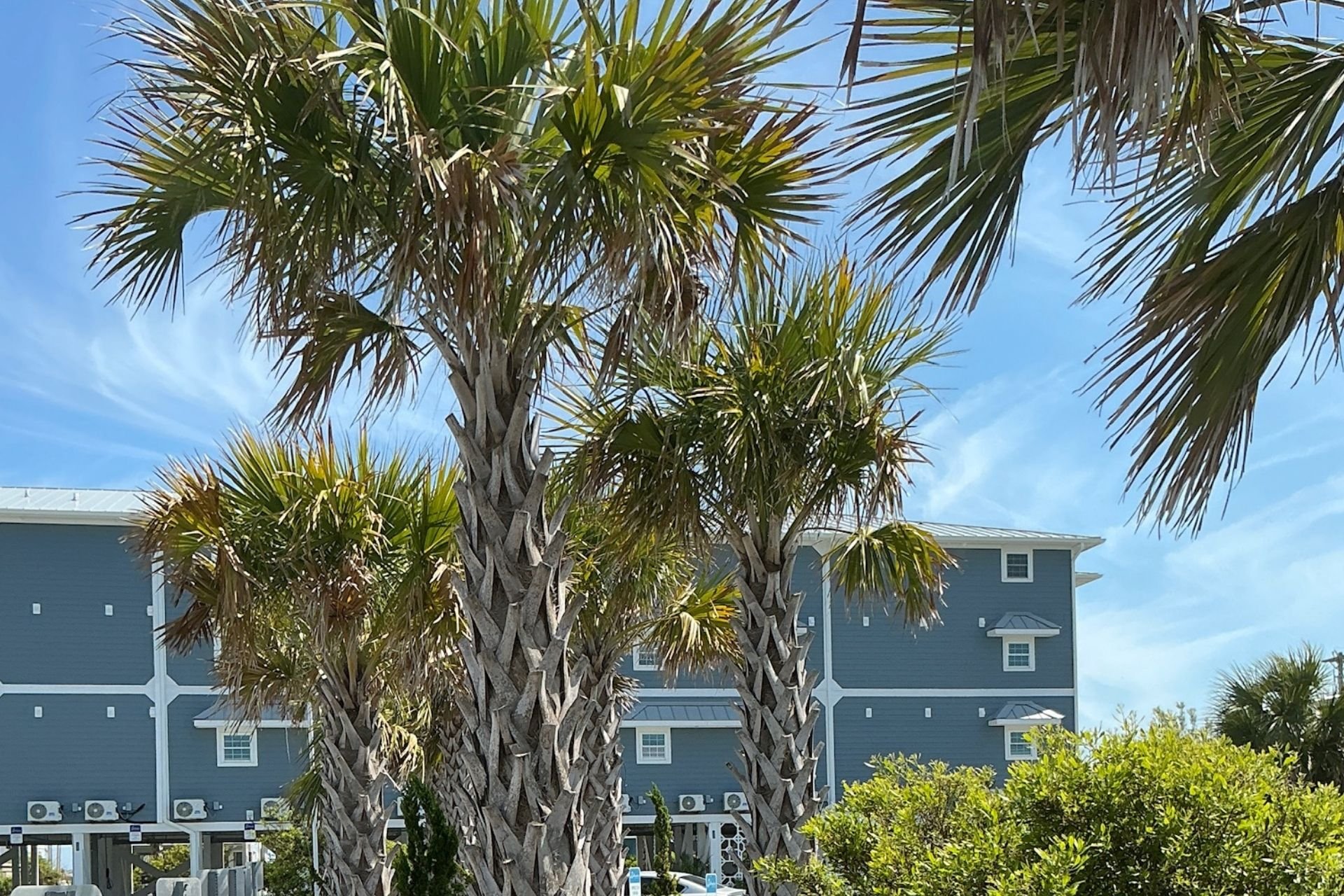
If you're standing in your yard wondering whether your palms and shrubs are overgrown or just fine, here's the short version: probably fine. Coastal landscapes need far less trimming than most people assume, and cutting too aggressively or at the wrong time of year usually does more damage than skipping a season entirely would. Palms only need dead or fully brown fronds removed; shrubs like ligustrum, boxwood, and holly do best with one focused pruning in late winter, and neither benefits from being trimmed just because it's been a while.
That said, a couple of situations do call for trimming outside the usual seasonal rhythm. Dead, diseased, or storm-damaged growth should come off whenever it's noticed, not saved for a scheduled pruning. And a shrub that's blocking a walkway or swallowing a fence line is worth addressing on its own timeline too. Knowing which situation you're in, routine seasonal care versus something that needs attention now, is really the whole question.
Do Palms Need to Be Trimmed as Often as People Think?
Far less often than most people expect. Palms are one of the most over-pruned plants in coastal landscapes, mostly because people assume more trimming equals a healthier, tidier tree. In reality, palms should only have completely dead or fully brown fronds removed. Green fronds, even ones that look a little worse for wear, are still feeding the tree and shouldn't come off just for appearance.
This time of year, you'll often see palms dropping fruit clusters, called drupes, and those are fair game to trim away for tidiness. Removing them doesn't count as over-pruning, since you're cutting fruit stalks, not live fronds, and that doesn't touch the tree's canopy or health at all.
Does Over-Pruning Palms Before Hurricane Season Backfire?
This one surprises a lot of homeowners, and even some landscapers who learned the old approach. "Hurricane cutting," stripping a palm down to a small tuft of young fronds before storm season, used to be common practice on the theory that fewer leaves meant less wind resistance. Research out of the University of Florida's IFAS Extension looking at palms after the severe 2004 and 2005 hurricane seasons found the opposite was true: heavily pruned "hurricane cut" palms were more likely to have their crowns snapped off by high winds than palms left with a fuller canopy.
A full crown of leaves protects the palm's growing point and provides the trunk with greater support against wind stress. It's one of those cases where the instinct to prepare for a storm by cutting back ends up working against the plant instead of protecting it.
How Often Should Shrubs Get Trimmed Along the Coast?
Shrubs vary more by species, but a general rule applies well to most broadleaf shrubs common here: prune overgrown shrubs like ligustrum, boxwood, and holly in late February, and avoid removing more than a third of the plant in any single year. That pace keeps shrubs from being stressed by too much removal at once while still bringing an overgrown hedge back under control over a couple of seasons.
Is There a Wrong Time of Year to Prune?
Late summer and early fall are the times to avoid for most shrubs and trees. Pruning during that window stimulates new growth that doesn't have enough time to harden off before the first frost, which leaves it vulnerable to cold damage. Late winter, generally February into early March depending on the plant, tends to be the safer window for most coastal shrubs.
What Signs Mean a Plant Needs Trimming Now, Not Later?
Dead, diseased, or storm-damaged branches are the exception to any seasonal schedule and can be removed any time of year. Beyond that, a shrub that's blocking a walkway, growing into a structure, or clearly overtaking its neighbors is worth addressing regardless of the calendar. The goal is removing what's truly a problem, not trimming on a fixed schedule just because it's been a while.
Keeping a Coastal Landscape on a Reasonable Schedule
Most coastal properties do well with a light seasonal check-in rather than frequent, heavy trimming throughout the year. Palms typically need attention only once or twice a year to remove dead fronds, and shrubs generally do best with one focused pruning session in late winter, plus spot trimming as needed the rest of the year.
Why This Matters More Than Most Homeowners Realize
Getting the timing and frequency right protects the investment already in the ground. Overgrown shrubs and unnecessarily stripped palms both take real time to recover, and in a coastal climate that's already asking a lot of these plants between salt, wind, and heat, unnecessary pruning stress is one variable that's easy to avoid with the right care.
Ready for a Landscape Plan That Fits Your Property?
At Sanderson Lawn Management, we handle palm, ornamental tree, and shrub trimming for properties across Surf City, Holly Ridge, and Topsail Beach, timed to what each plant needs rather than a one-size-fits-all schedule. It's part of a full slate of lawn care and yard solutions we offer, from routine mowing and fertilization to seasonal cleanups and landscape maintenance, so your property gets a consistent, coordinated plan instead of separate services pulling in different directions. If your landscape could use an expert eye, request a free quote today and we'll take it from there.
Frequently Asked Questions
-
Most palms only need dead or fully brown fronds removed once or twice a year. Green fronds should stay on the tree, since removing them too aggressively weakens the palm rather than improving its appearance.
-
Heavily stripping a palm's canopy before a storm, sometimes called hurricane cutting, has been shown to increase the risk of crown damage rather than reduce it. Removing only dead fronds is a safer approach year-round, including ahead of storm season.
-
Late winter, typically February into early March for most broadleaf shrubs, tends to work best. Late summer and early fall pruning is generally best avoided, since new growth from that timing doesn't harden off before colder weather arrives.
-
Dead, damaged, or diseased branches can be removed whenever they're noticed rather than waiting for a seasonal pruning window. Leaving them in place doesn't offer any benefit and can become a safety issue during storms.
-
No, and treating them the same is one of the more common mistakes homeowners make. Palms only need dead fronds removed as they show up, while shrubs benefit from one focused pruning session in late winter. Keeping the two on separate schedules gets better results than trying to handle everything in one yard visit.