
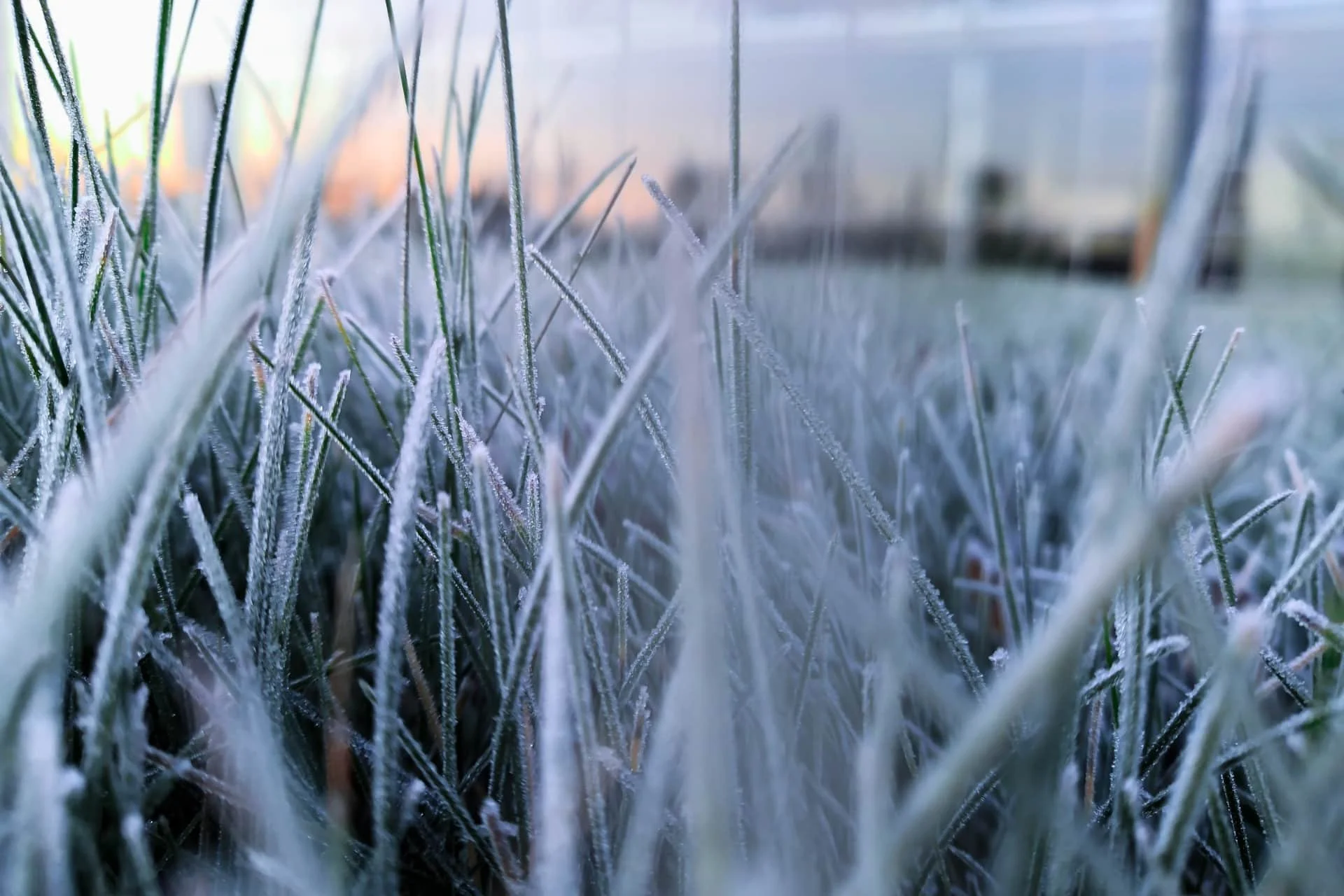
The honest answer is: partially, and more selectively than a full northern-style shutdown. Coastal North Carolina winters rarely bring the kind of sustained hard freeze that makes a complete system blow-out necessary, but that doesn't mean you can ignore your irrigation system once fall arrives. Watering frequency should drop dramatically as your grass goes dormant, and the backflow preventer still needs freeze protection, even if the rest of the system doesn't need the full northern treatment.
Why Coastal NC Doesn’t Need a Full Blow-Out
Full winterization, the kind where every line gets blown out with compressed air, makes sense in climates with weeks of hard freezes. Coastal North Carolina isn't that climate. Wilmington averages only about two nights a year at or below 20 degrees, the temperature where real freeze risk to plumbing and irrigation components starts to climb, compared to roughly 37 nights a year at or below freezing overall.
That rarity cuts both ways. It means most of your system faces limited freeze exposure most winters, but it also means a hard freeze catches coastal systems less prepared than ones built for a real winter, since neither the equipment nor the routine here is set up to expect it.
How Much Water Does Dormant Grass Need?
Far less than you'd think. According to NC State Extension's Extension Gardener Handbook, dormant warm-season lawns need only about a quarter inch of water every three weeks to keep the turf crowns hydrated, and most turfgrasses can go three to six weeks or longer without any water at all and show minimal or no damage. That's a dramatic drop from the roughly one inch a week your lawn needed during peak summer growth.
This is really the core of the "shut down or not" question. You're not maintaining a green, growing lawn through winter; you're just keeping dormant turf from drying out completely, which takes a fraction of the water and a fraction of the running time your system saw in July.
Should You Ever Run the System Before a Freeze?
Sometimes, and this is the part that surprises people expecting a simple shut-it-off answer. According to Clemson Cooperative Extension's Home & Garden Information Center, moist soil retains heat better than dry soil, so a light watering ahead of a predicted hard freeze can help reduce cold-injury risk to a lawn by keeping the soil warmer overnight. It's not about maintaining a full watering schedule; it's a targeted move timed around a specific cold snap.
Getting that timing right, and knowing which zones need it versus which ones can stay off, is exactly the kind of seasonal adjustment our irrigation and lawn management services handle as part of a coastal maintenance plan, rather than leaving homeowners to guess at it zone by zone.
What About the Backflow Preventer Specifically?
This is the one component that needs freeze protection no matter how mild the winter looks. Backflow preventers sit above ground by code, which means they're fully exposed, and even a brief freeze can crack the internal valves if water is trapped inside. The basic steps, like draining the device, closing the isolation valves partway to prevent a fully sealed system, and insulating anything that can't be drained or removed, are worth doing before the first hard freeze rather than after one damages the device.
What a Sensible Coastal Shutdown Looks Like
Putting this together, a coastal NC irrigation shutdown looks different from what a lot of homeowners picture. It means cutting your watering schedule down to match what dormant grass needs, protecting the backflow preventer specifically since that's the truly vulnerable component, and staying ready to run a light cycle if a hard freeze is forecast rather than assuming the system should stay off no matter what. It's a lighter touch than a full northern blow-out, but it's nothing either.
Let Sanderson Lawn Handle Your Seasonal Irrigation
At Sanderson Lawn Management, we manage irrigation scheduling and backflow protection year-round for homeowners across Surf City, Hampstead, and Topsail Beach, so you're never guessing at what your system needs this time of year. Reach out today, or call us at (910) 385-5116, for a free assessment and quote.
Frequently Asked Questions
-
Turning off the controller handles the watering schedule, but it doesn't protect the backflow preventer from freeze damage, which is the component most at risk regardless of how the controller is set.
-
The general dormancy watering guidance applies broadly across warm-season grasses, though St. Augustine tends to be less cold-tolerant, so protecting it from hard freezes matters a bit more.
-
Yes. Watering more than dormant turf needs doesn't help it and can contribute to disease pressure or waterlogged soil, especially in coastal NC's already humid conditions.
-
Once your lawn is showing consistent green-up and active growth, typically in the same window you'd resume regular fertilization, is generally the right time to return to a normal watering schedule.
-
Yes. Any component holding water, drip lines included, is vulnerable to freeze damage, so the same draining and insulation principles apply.